
Cinnamon Roasted Butternut Squash
- By Amy Dong
- Updated Sep. 14, 2026
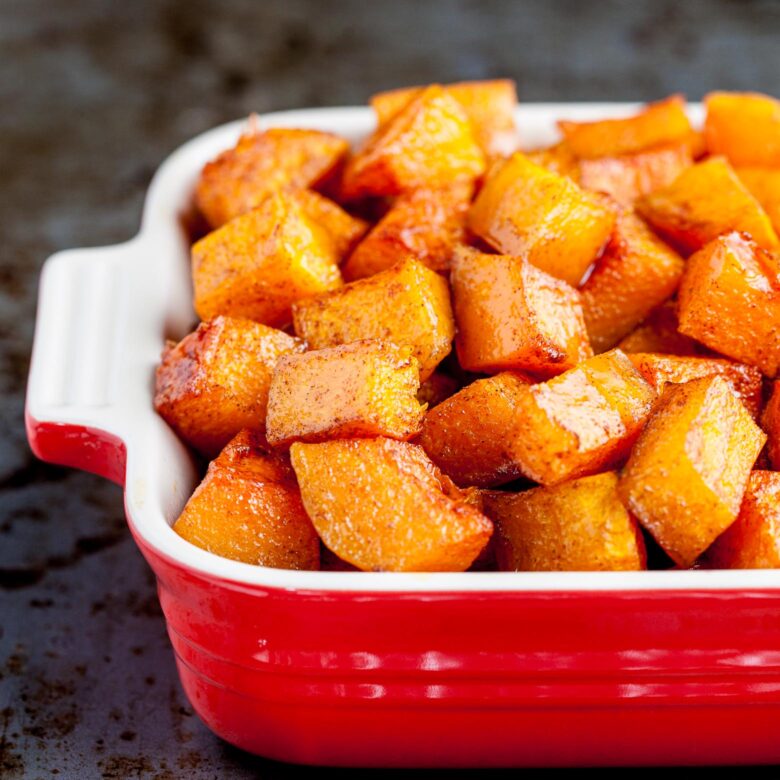
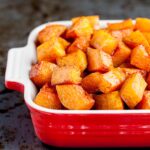
Cinnamon Roasted Butternut Squash is a simple yet delicious fall side dish. With cinnamon, maple syrup, and brown sugar, this roasted butternut squash recipe always disappears fast. I make it every fall to share with family and friends.
In This Article
- Amy’s Notes
- 4 Key Ingredients
- Substitutions and Variations
- Easy Step-By-Step Instructions
- How to Prep Ahead
- How to Store and Reheat Leftovers
- Video: Watch Me Make this Recipe
- Cinnamon Roasted Butternut Squash Recipe
- Tips for How to Buy and Store Butternut Squash
- Frequently Asked Questions
- More to Cook and Eat
This post may contain affiliate links, at no additional cost to you.
Amy’s Notes

When my best friend told me she was thrilled when her non-butternut-squash-eating boys devoured this cinnamon roasted butternut squash, it put a big smile me. The same thing happened with my own boys. Let’s show even the finickiest of eaters just how delicious roasted butternut squash can be.
- The merging of cinnamon and brown sugar works magic on everything from Baked French Toast Casserole to candied pecans.
- The naturally nutty flavor of this roasted butternut squash tastes remarkable when roasted in cinnamon-brown sugar bliss.
- You’ll have a delectable side dish that the family will actually devour.
- It pairs well with any of your favorite main dishes. We love it with Instant Pot Turkey Breast with Gravy and Juicy Grilled Chicken Breast.
4 Key Ingredients
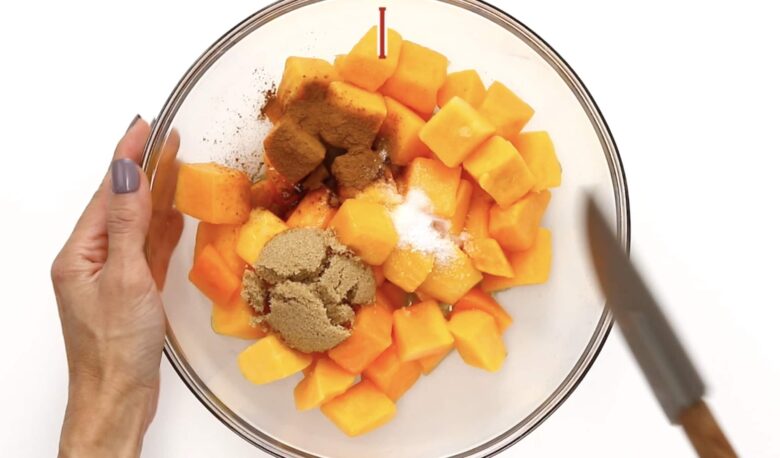
- Butternut Squash: choose a large, healthy squash. See tips on how to buy the perfect butternut squash below.
- Olive Oil: not only is olive oil healthy, but it helps the roasting process.
- Maple Syrup: a drizzle of maple syrup provides sweetness and flavor.
- Brown Sugar: use brown sugar for a molasses depth of flavor and sweetness.
- Cinnamon: this fall spice lends an earthy and aromatic fragrance to the squash.
Substitutions and Variations
- Olive oil: Swap in melted butter for a buttery flavor, or try avocado oil if you want something neutral.
- Maple syrup: Honey works as a 1:1 swap. Agave is fine too if you want it a touch more neutral tasting.
- Cinnamon: Try pumpkin pie spice for extra fall spices. Add a pinch of ginger powder for extra flavor.
- Spicy-Sweet Version: Add a pinch of cayenne or smoked paprika to the toss before roasting. The heat against the maple and cinnamon is a great contrast.
- Savory Twist: Skip the brown sugar and add a few sprigs of fresh rosemary or thyme to the pan instead. Roasted squash with herbs and a little sea salt is fantastic alongside roasted meats.
- Add crunch: Toss in a handful of chopped pecans or walnuts for the last 10 minutes of roasting for a crispy texture.
Easy Step-By-Step Instructions
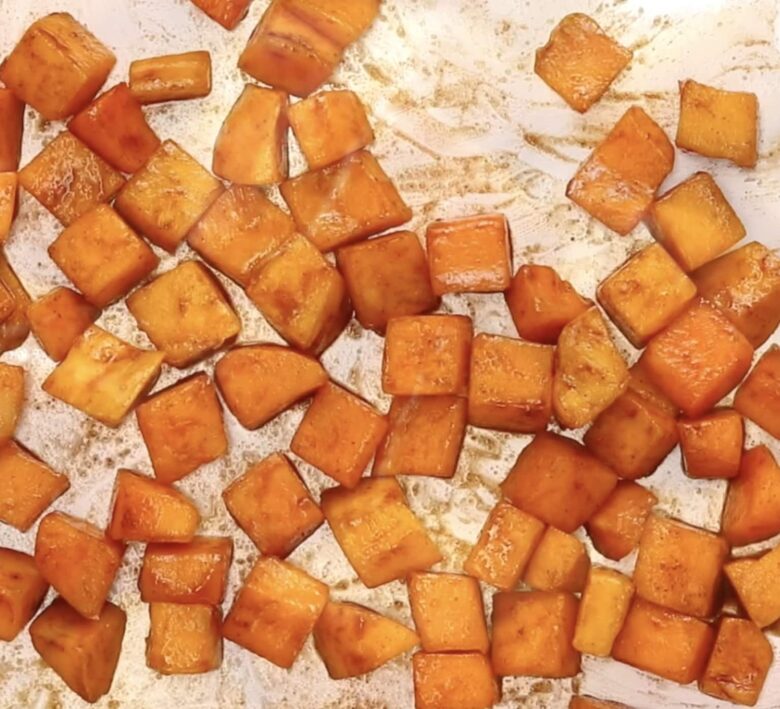
- In a large bowl, toss the squash with seasoning ingredients until thoroughly coated. Transfer to foil-lined baking sheet, in a single layer, without overcrowding the pieces.
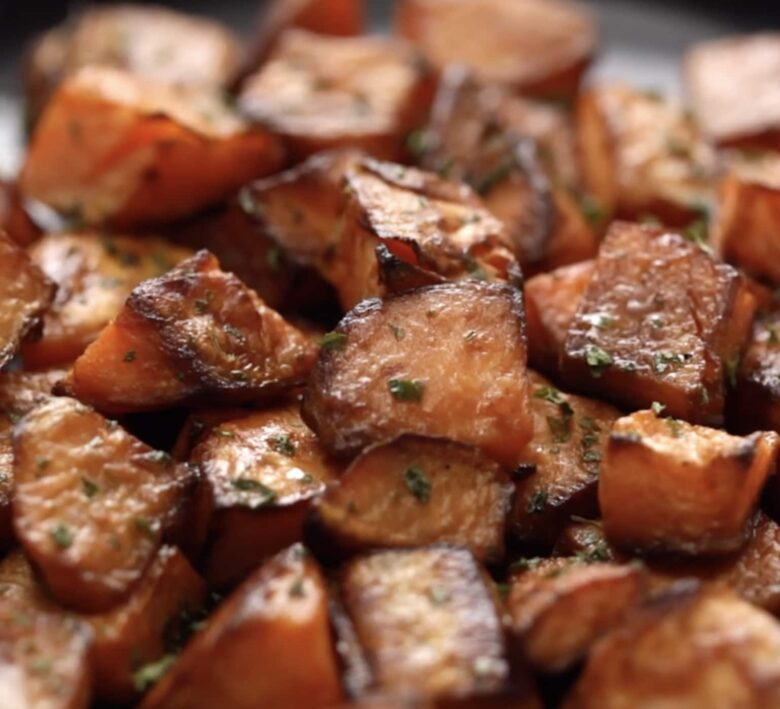
- Roast about 40 minutes, rotating pan midway during baking. When edges are browned and cubes are fork-tender, remove from oven immediately.
How to Prep Ahead
This butternut squash recipe is already on the easy side. However, I don’t stop there in my quest to ensure no stone is left unturned when it comes to efficiency. Here are my favorite ways to prepare roasted butternut squash in advance:
- Buy Whole Butternut Squash Days/Weeks in Advance: Because fresh, whole butternut squash keeps extremely well, you can go ahead and buy it while you’re already shopping at the store within a few weeks of making the recipe. There’s no need to make a special grocery trip for it.
- Peel, Seed, and Cut: Feel free to peel, seed, and cube your fresh butternut squash 2-3 days prior to cooking.
- Chill Cubed Squash: Place uncooked, cut butternut squash in an airtight container in fridge. Cut squash must keep free of moisture or water.
- Freeze: You can freeze freshly cut butternut squash, sealed airtight, for up to a few weeks.
- Combine Seasoning Ingredients: Everything but the squash can be combined 1-2 days ahead of time and stored airtight at room temperature.
How to Store and Reheat Leftovers
- Fridge: Store cooled, cooked roasted squash in an airtight container for up to 4 days. Let it cool to room temperature before storing.
- Freezer: Freeze in a single layer on a baking sheet until solid, then transfer to a freezer bag or container, pressing out as much air as possible. Keeps well for up to 2 months. The texture can soften once thawed since squash holds a lot of water, so it’s best used in soups, purees, or mashed rather than served straight as a side after freezing.
- Reheating: If leftovers were kept in the fridge, warm it in a 350F oven, uncovered, until heated through. About 10 minutes or so.
Video: Watch Me Make this Recipe
Cinnamon Roasted Butternut Squash
Ingredients
- 1 large butternut squash, peeled/seeded and cut into 1-inch cubes
- 3 tablespoons olive oil
- 3 tablespoons maple syrup
- 2 tablespoons brown sugar, tightly packed
- 1 teaspoon ground cinnamon
- 1 teaspoon kosher salt
- 1 teaspoon freshly ground black pepper
Instructions
- Preheat oven to 425F with rack on upper middle position. Line baking sheet with heavy duty foil.
- In a large bowl, toss the squash with remaining ingredients until thoroughly coated. Transfer to foil-lined baking sheet, in a single layer, without overcrowding the pieces.
- Roast about 40 minutes, rotating pan midway during baking. When edges are browned and cubes are fork-tender, remove from oven immediately. You may want to start checking squash around 35 minutes, just to ensure that they don't become overcooked.
Notes
- Butternut squash can be peeled and cut up to 2 days ahead of time; keep chilled in an airtight container until ready to use.
- Serve butternut squash with Wild Rice Pilaf and Instant Pot Turkey Breast for a healthy and flavorful meal.
Nutrition (per serving)
Tips for How to Buy and Store Butternut Squash
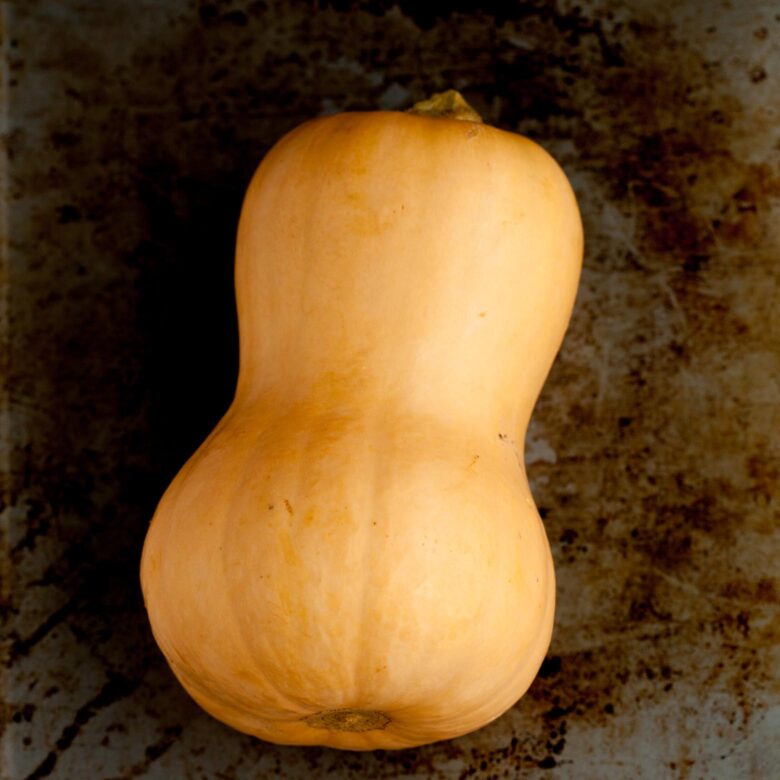
Here are my top tips for buying the perfect butternut squash:
- Look for smooth, firm skin without soft spots or discoloration that could be indicative of mold.
- Large bulbed squash with elongated necks tend to have bigger seed cavities inside. Go for the butternut with a short, wide neck and compact bulb for smallest cavities and easier cutting.
- Once your fresh butternut squash comes home with you, store it in a cool and dry place for up to several weeks. There’s no need to refrigerate it unless your house is quite warm or you need to keep your squash fresh for a longer period of time.
- Because many recipes like Butternut Squash Chili and Butternut Squash Risotto call for peeled/cubed squash, we’re happy to report that you can peel, seed, and cube your fresh squash several days early. Simply place freshly cut butternut squash in an airtight container and keep chilled.
Frequently Asked Questions
We do recommend peeling your fresh, whole butternut squash before seeding, cubing, and roasting. It will cut down on your cook time tremendously, as well as allow for maximum flavor infusion.
The rule of thumb is: when butternut squash is fork-tender, it is done. The roasted squash cubes should be golden brown; be sure to remove from oven immediately, to avoid burning.
Butternut squash is naturally packed with fiber, potassium, and vitamin A. This recipe uses olive oil for roasting, which keeps it nutrient-dense.
The flavor profile is between that of roasted sweet potatoes and pumpkin; it’s naturally slightly sweet, which makes it well-loved by grownups and kids alike.
For easy meal prep, we recommend peeling, seeding, and cubing the squash ahead of time, up to 3 days in advance. Store it chilled airtight until ready to season and roast.
You can, though the texture softens a bit once thawed since squash has high water content. Freeze in a single layer on a tray first, then transfer to a freezer bag once solid, and use within 2 months. It’s better reheated into soups or mashed than served as a standalone side after freezing.
This is almost always due to overcrowding. If the cubes are piled on top of each other, they steam instead of roast. Give them space in a single layer, even if that means using two baking sheets.
More to Cook and Eat
1. Curried Butternut Squash Soup — Creamy, smooth, and with a little kick of curry. Scrumptious.
2. Pomegranate Pear Salad with Candied Walnuts — oh, and don’t forget the blue. This is the best holiday salad we’ve ever put on the table.
3. Apple & Sausage Stuffing — stuffings and preferences abound. But after years of stuffing testing, this one took the blue ribbon at our most recent big festive gathering. Everyone loves this so much, it’s here to stay.
4. I’d be remiss not to bring back this ever-popular Sweet Potato Casserole with Brown Sugar Crumble. It’s like dessert. On the dinner table. People load their plates full of this because it is that good.