
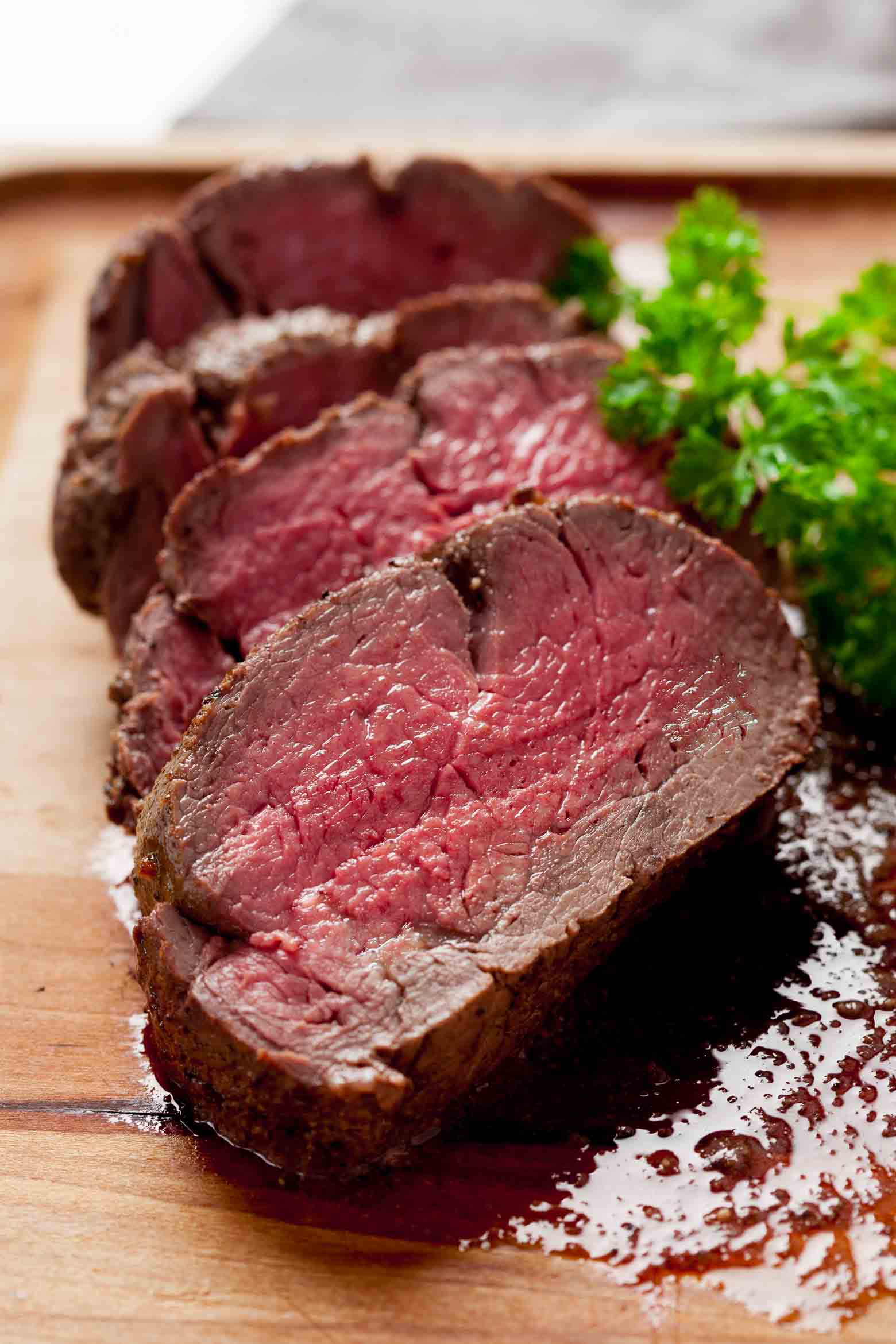
Beef Tenderloin Roast with Red Wine Sauce
- By Amy Dong
- Updated Nov. 8, 2026
My husband and I love hosting holiday dinners at our home, and we have our favorite tried-and-true recipes that come out perfectly every time. This beef tenderloin roast is a boldly flavorful main dish that never gives us any leftovers. Served with a red wine sauce made with shallots, garlic, and fresh herbs, your family and friends will 100% rave over this when you serve it up.
In This Article
- Amy’s Notes
- Key Recipe Ingredients
- Substitutions and Variations
- How to Make the Red Wine Sauce
- Step-by-Step Recipe Instructions
- How to Prep Ahead
- Video: Watch Us Make This Recipe
- Beef Tenderloin Roast with Red Wine Sauce Recipe
- What to Serve With Beef Tenderloin Roast
- Frequently Asked Questions
- More to Cook and Eat
This post may contain affiliate links, at no additional cost to you.
Amy’s Notes

My favorite cut of beef is the tenderloin, as it’s guaranteed to turn out tender and juicy if it’s cooked right. I will never make it any other way than the way I’ll show you today. This restaurant-worthy beef tenderloin with red wine sauce has been my reliable roast every holiday season. You can absolutely make the best beef tenderloin you’ve ever tasted, right at home. Here’s what you’ll love:
- Make-ahead sauce: Shallots, garlic, red wine, and fresh herbs simmer together in one saucepan.
- Simple seasoning: Salt and pepper season the beef before a quick stovetop sear.
- Six servings: A 3 pound center-cut roast makes this a manageable dinner for a small gathering. Of course, it’s easy to double the recipe if you’ve got a bigger crowd.
- More dinner ideas: Browse our beef dinner recipes for other cuts of beef and varied cooking methods.
Key Recipe Ingredients
- Beef stock: The sauce uses 4 cups of stock, plus a separate ¼ cup to loosen the browned bits in the roasting pan.
- Red wine: Use a dry Cabernet Sauvignon or Syrah for the sauce, which simmers with shallots, garlic, thyme, and rosemary.
- Fresh thyme and rosemary: Whole sprigs flavor the sauce and are removed after simmering.
- Beef tenderloin: Choose a three-pound center-cut roast for a more even thickness from end to end.
Substitutions and Variations
- Wine: Cabernet Sauvignon and Syrah both work in this sauce. Choose a dry red wine you enjoy drinking. The flavor of the wine does matter a lot here, as your sauce can only be as good as the base wine you use.
- Shallots: Yellow or brown onions can work in place of shallots.
- Roast shape: If one end is thinner, tuck it under and secure it with kitchen twine so the roast has a similar thickness throughout.
How to Make the Red Wine Sauce
This boldly flavorful red wine sauce is so good, you’ll want to use it on all your beef roast once you taste it. Start the sauce before the roast, or make it a day ahead. Sauté the shallots and garlic in butter, then add the remaining sauce ingredients. Keep it at a gentle, uncovered simmer until the liquid has reduced by about half. After roasting, loosen the browned bits in the pan with the reserved ¼ cup beef stock and stir them into the sauce.
Step-by-Step Recipe Instructions
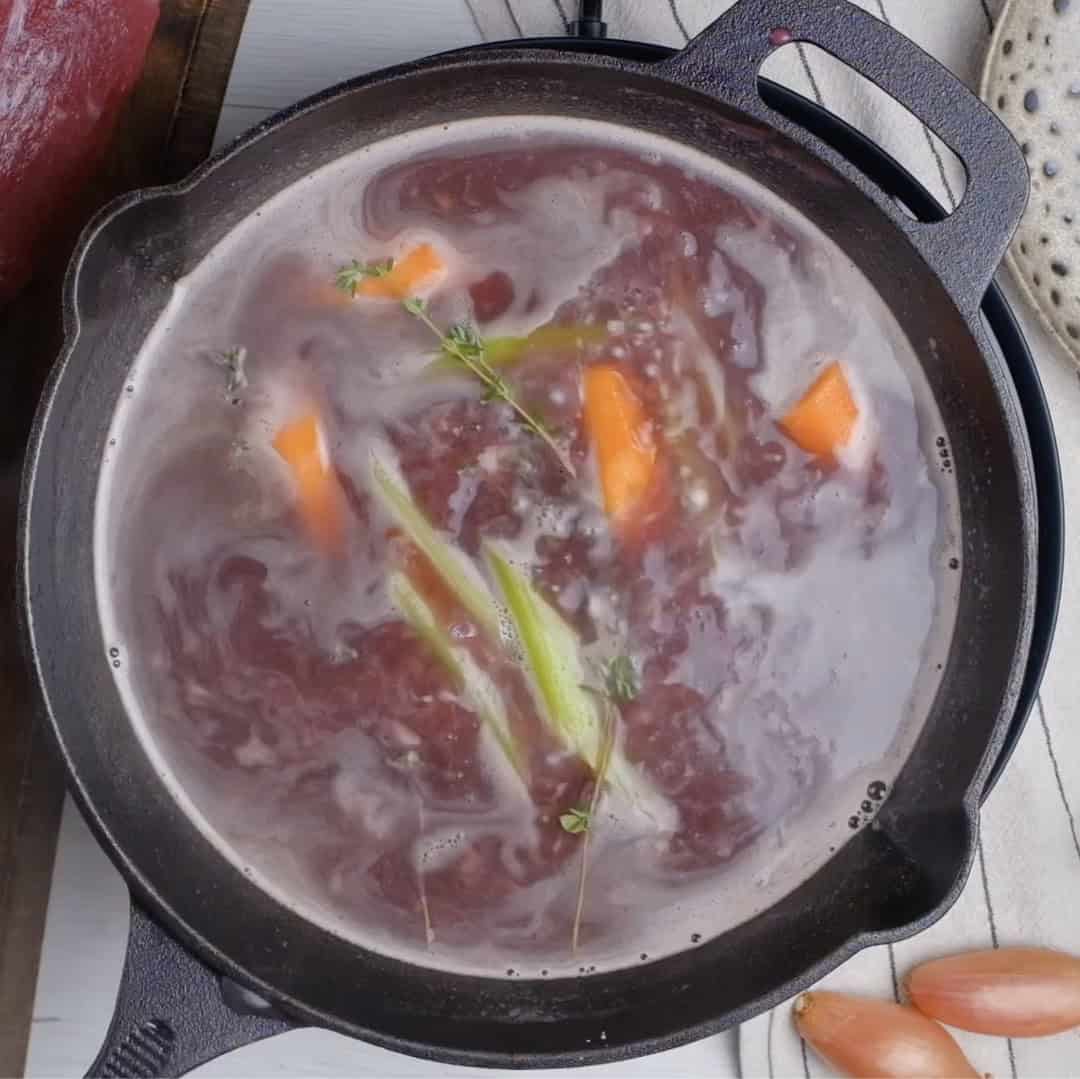
- Melt butter in a saucepan, then sauté shallots and garlic until translucent. Add the remaining sauce ingredients and simmer uncovered until the liquid has reduced by about half.
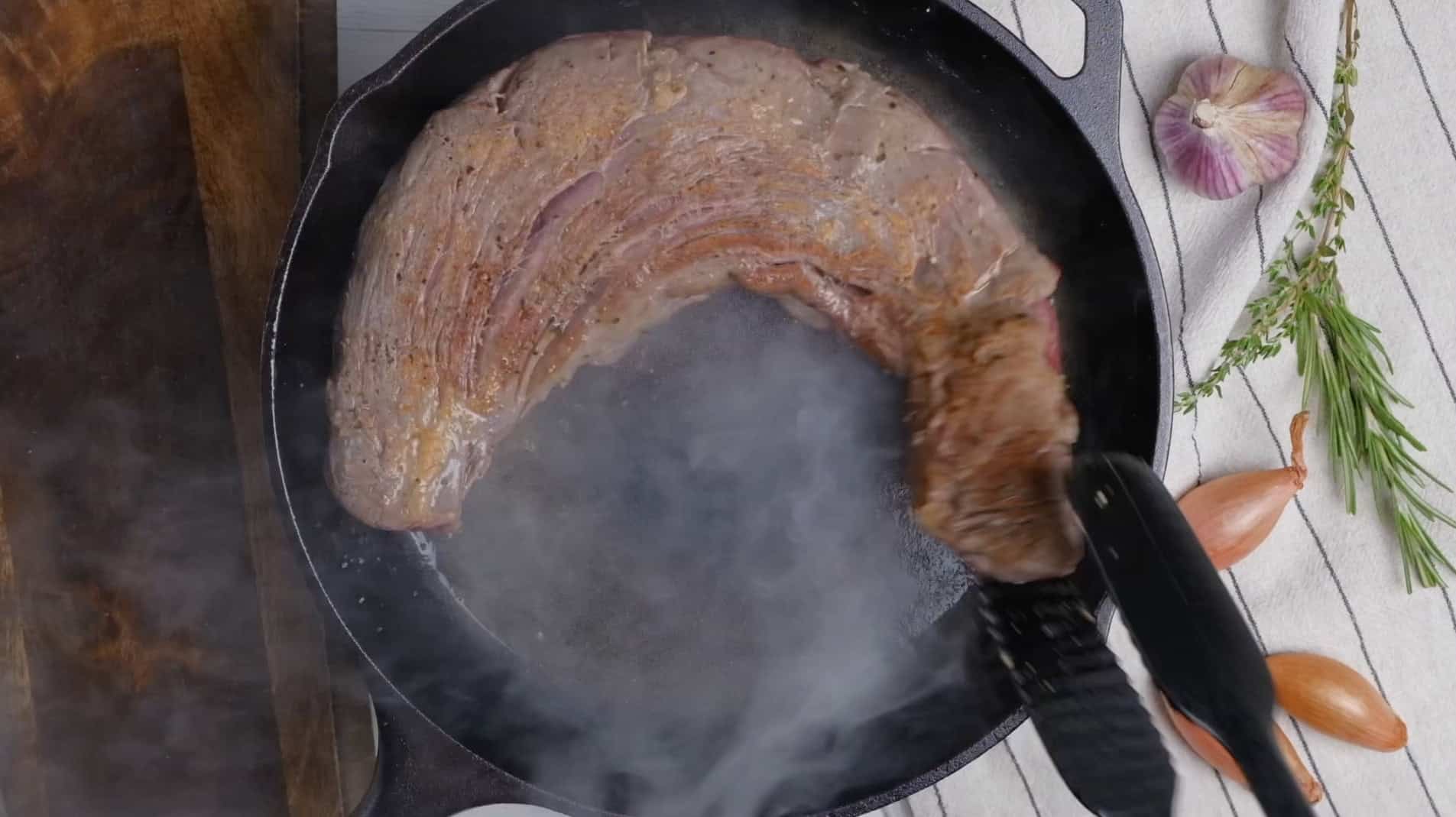
- Heat oil in an oven-proof pan and brown the roast on three sides. Flip onto the 4th side, insert an oven-safe leave-in probe thermometer (this is the one I use) and place it in the oven at 175°F.
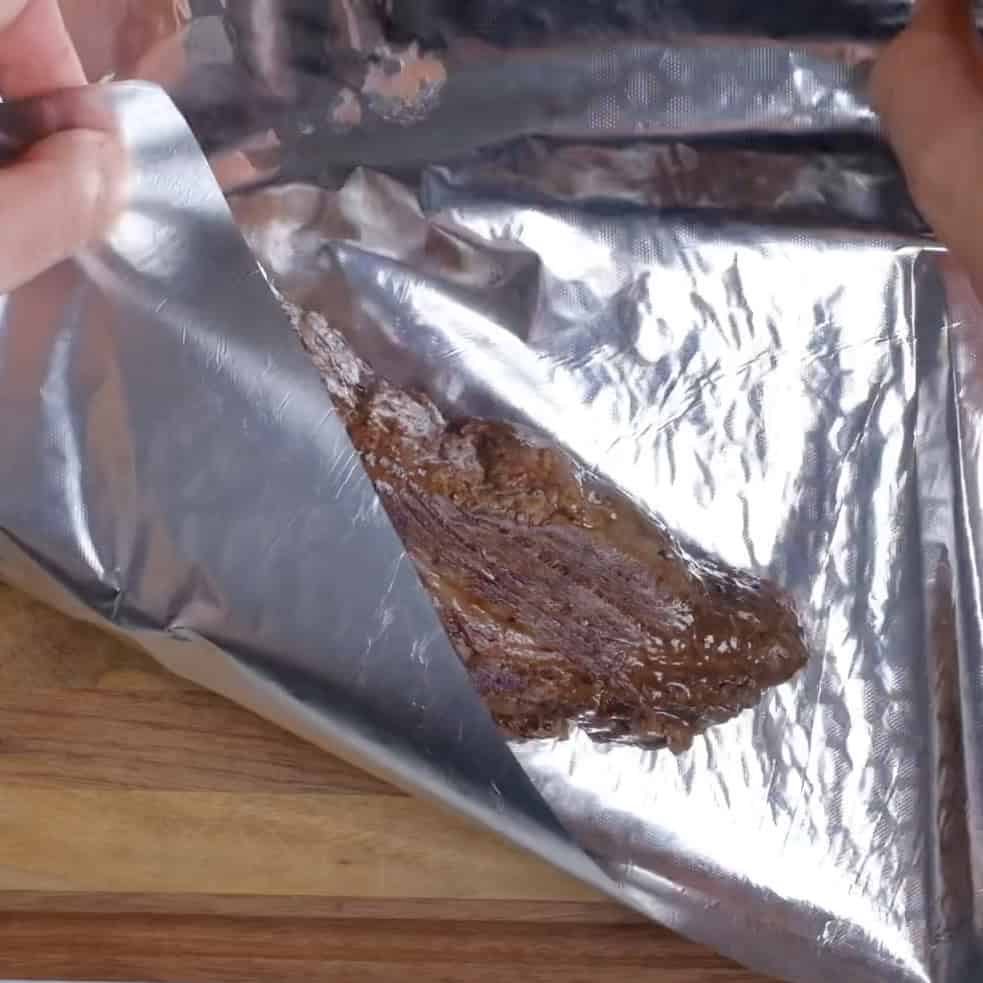
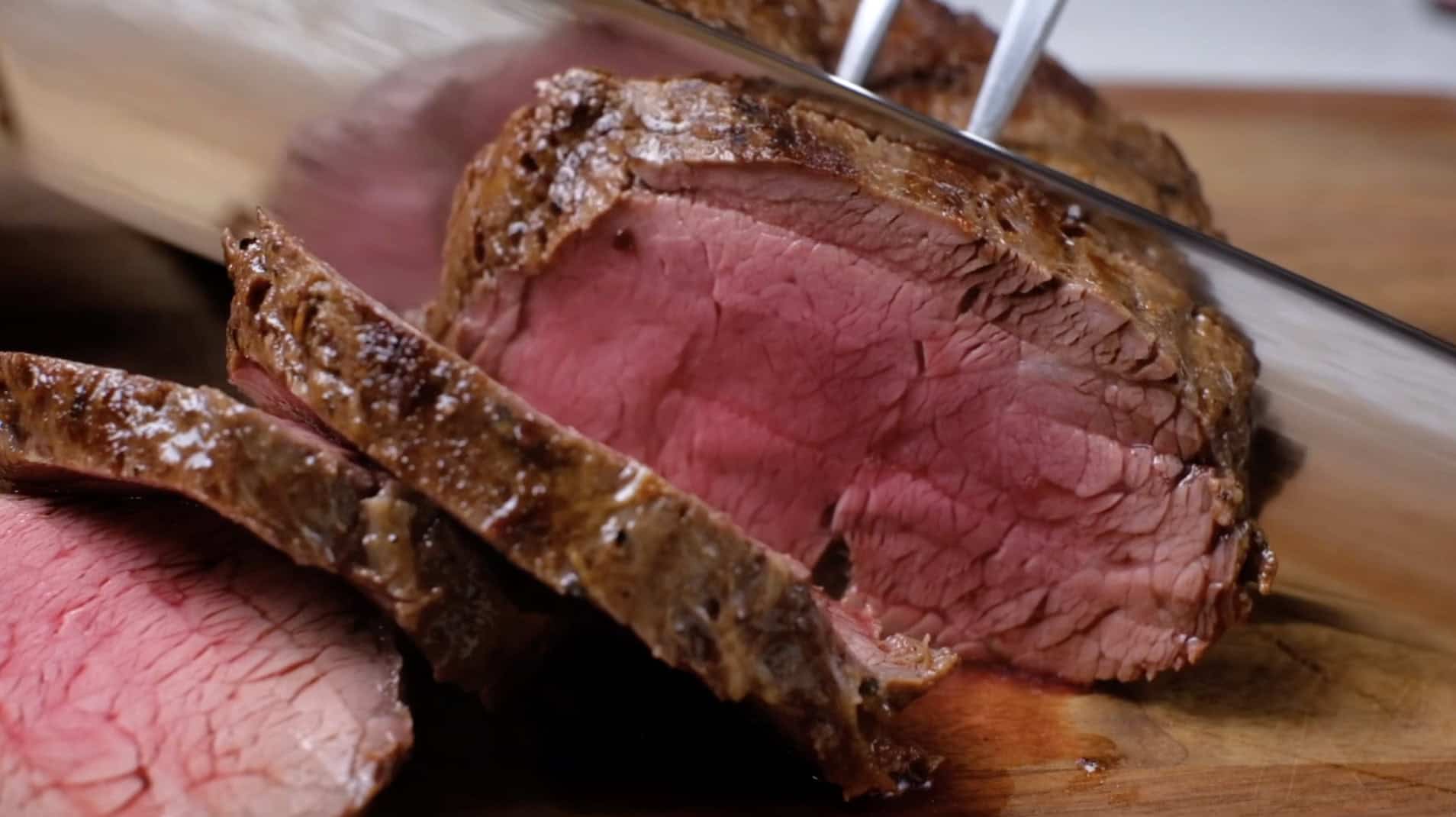
- Roast at 175°F until the probe reads 120–125°F in the center for medium-rare. Allow up to 2 hours, but use the thermometer rather than the clock. Be sure to let the roast rest before slicing.
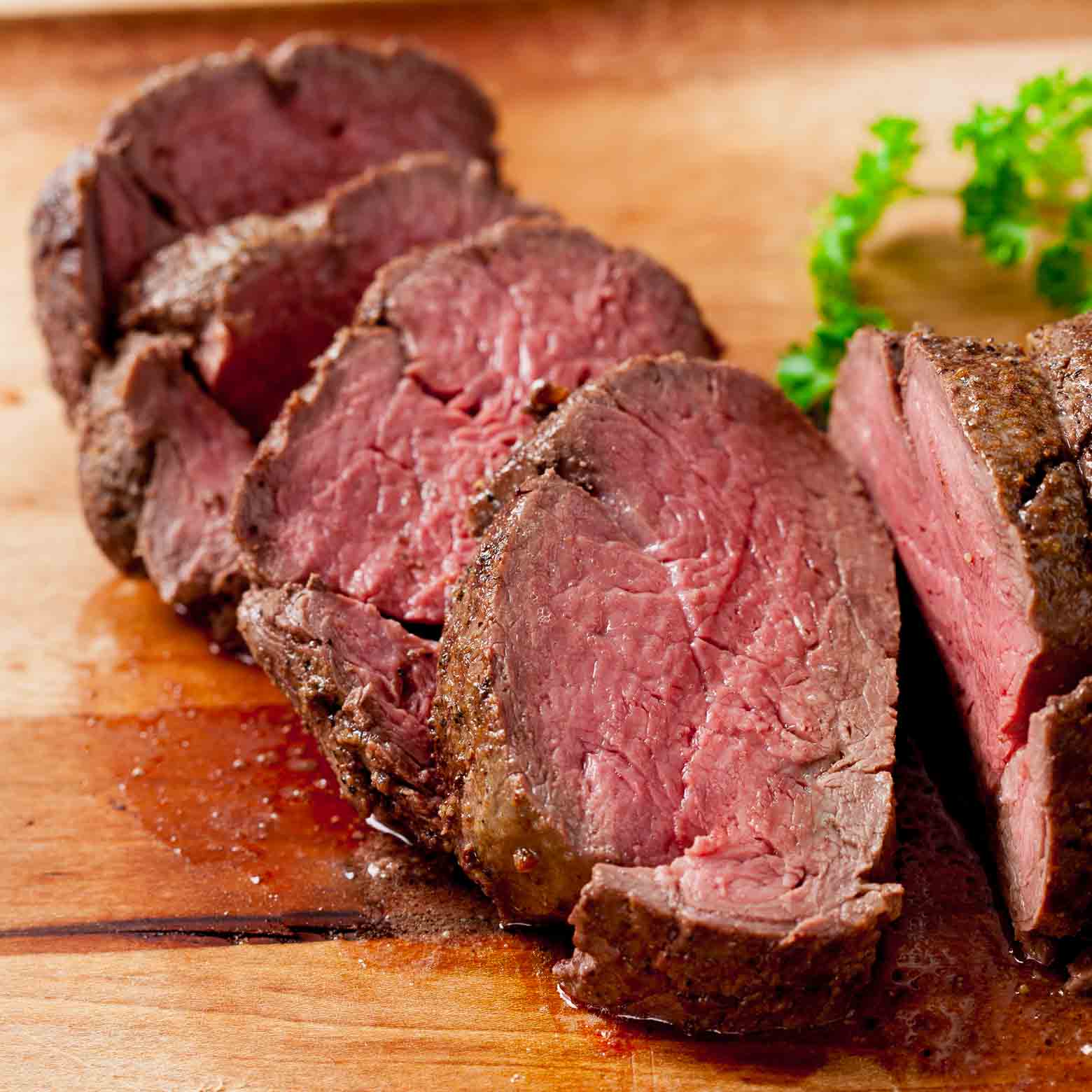
- Add beef stock to the pan and scrape up the browned bits. Stir this and the pan juices into the red wine sauce over low heat. Slice the tenderloin and serve with warm sauce. It is delicious.
→ For full list of ingredients and instructions, see recipe card below.
How to Prep Ahead
- Sauce: Make it a day ahead, refrigerate in an airtight container, and reheat gently while the roast rests.
- Roast: Season a day ahead and refrigerate overnight. Follow the recipe’s one-hour pre-cooking rest when you are ready to cook.
- Storage: Refrigerate leftovers in an airtight container for up to 3 days, or freeze for up to 2 months.
Video: Watch Us Make This Recipe
Beef Tenderloin Roast with Red Wine Sauce
Ingredients
For Wine Sauce:
- ½ cup butter, salted
- 3 whole shallots, finely chopped
- 6 cloves garlic, minced
- 4 cups beef stock, high quality, full strength
- 1 cup red wine, good quality syrah or cabernet works well
- 2 tablespoons flour
- 1 teaspoon sugar
- 4 sprigs fresh thyme
- 3 stalks fresh rosemary
- 1 small carrot, quartered
- 1 stalk celery, quartered
- salt and pepper, to taste
For the Roast:
- 3 pounds beef tenderloin roast, center cut
- 1 ½ teaspoons kosher salt
- 1 teaspoon freshly ground black pepper
- 3 tablespoons olive oil
- ¼ cup beef stock, good quality, regular strength
Instructions
- Make the Sauce: (can be done a day ahead of time): In a large heavy saucepan, add butter and heat over medium-high until melted and hot. Add shallots and garlic, stirring until translucent, 2–3 minutes. Add remaining wine sauce ingredients. Reduce heat to medium-low and keep the sauce at a gentle, uncovered simmer, stirring occasionally, until the liquid has reduced by about half.
- Remove herb sprigs, carrots, and celery. Add salt and pepper to taste. Keep sauce warm until ready to use. If making sauce a day early, cover airtight and chill, reheating when ready to serve.
- For the Roast: Take tenderloin roast out to sit at room temperature 1 hour before cooking, to let it come to room temperature.Preheat the oven to 175°F with a rack in the lower-middle position.
- Use paper towels to blot away any excess moisture on roast. Generously sprinkle roast on all sides with kosher salt and freshly ground black pepper. Press in the seasonings.
- In a large, oven-proof pan, add the olive oil. Heat over medium high heat until oil is very hot. Brown roast on 3 sides, 30 seconds per side. Flip roast onto the 4th side, insert oven-safe leave-in probe thermometer into thickest center of roast, and immediately transfer the entire pan directly into preheated oven.
- Roast until the probe reaches 120–125°F in the center for medium-rare. Medium-rare may take up to 2 hours roasting time, but use your thermometer for accurate results. Immediately transfer roast onto a carving board, tent loosely with foil, and let rest for 15 minutes – do not remove thermometer probe nor slice into roast yet, or the juices will escape too soon. As roast rests, internal temperature will continue to rise; monitor it with the probe.
- Meanwhile, add 1/4 cup beef stock to the pan and scrape up bits from bottom of pan; pour this with any accumulated juices from the pan to your prepared red wine sauce, stirring over low heat until heated through. Slice tenderloin and serve with warm sauce.
Equipment
- 1 Cast Iron Pan, Large 15-inch
- 1 Oven-Safe Leave-In Probe Thermometer, Rated for oven use
Notes
- Roast shape: Tuck a thin end under and secure with kitchen twine so the roast has a similar thickness throughout.
- Substitutions: Your choice of a dry Cabernet Sauvignon or Syrah for the sauce. Choose a bottle you enjoy drinking, as the flavor of the wine is the main base of this flavorful sauce.
- Prep Ahead: Make the sauce a day ahead, refrigerate in an airtight container, and reheat gently before serving. The roast can be seasoned and refrigerated overnight.
- Storage: Refrigerate leftovers in an airtight container for up to 3 days, or freeze for up to 2 months.
- Timing: Allow up to 2 hours for roasting, plus the one-hour pre-cooking rest and 15-minute rest after roasting. The time depends on the roast’s thickness; use an oven-safe probe rather than the clock.
- Doneness: Remove at 120–125°F for medium-rare, 130–135°F for medium, or 115°F for rare. These are removal temperatures, not final temperatures after resting. The temperature continues to rise during the 15-minute rest.
- Serve alongside: Try Garlic Herb Roasted Baby Potatoes.
Nutrition (per serving)
Nutrition information is an estimate. Readers with allergies or specific dietary needs should independently verify all ingredients and product labels.
What to Serve With Beef Tenderloin Roast
Potatoes
- Slow Cooker Garlic Mashed Potatoes leave the oven free for the roast and give you a place to spoon the sauce.
Rice and Grains
- Mushroom Rice Recipe is another option for soaking up the sauce.
Salads
- Brussels Sprouts Salad adds crunch alongside the roast.
Frequently Asked Questions
Choose a dry Cabernet Sauvignon or Syrah that you enjoy drinking. The wine flavors the sauce; it is not used to marinate the beef.
Yes. Make the sauce a day ahead and refrigerate it in an airtight container. Reheat it gently while the roast rests, then add the roasting-pan juices as directed.
Transfer it to a carving board, tent loosely with foil, and rest for 15 minutes before slicing. Leave the oven-safe probe in place during the rest to monitor the temperature.
Refrigerate leftovers in an airtight container for up to 3 days, or freeze for up to 3 months.
This recipe uses a three-pound center-cut roast for six servings, or about eight ounces of raw beef per person before cooking. Allow for any trimming when buying your roast.
Do not simply double the cooking time when doubling the weight. Thickness and shape affect how quickly the center cooks. Place an oven-safe probe in the thickest part, and check each roast separately if cooking more than one.
More to Cook and Eat
- Prime Rib with Au Jus: Try another roast dinner with its own au jus.
- Easy Crock Pot Brisket: Use the slow cooker for a make-ahead beef dinner.
- Slow Cooker Pot Roast, Extra Tender: Let the slow cooker handle another beef dinner.
- Irish Guinness Beef Stew (Instant Pot, Slow Cooker, or Stovetop): Choose a beef stew with Instant Pot, slow cooker, and stovetop options.