
Thai Curry Noodles
- By Amy Dong
- Updated Apr. 9, 2026
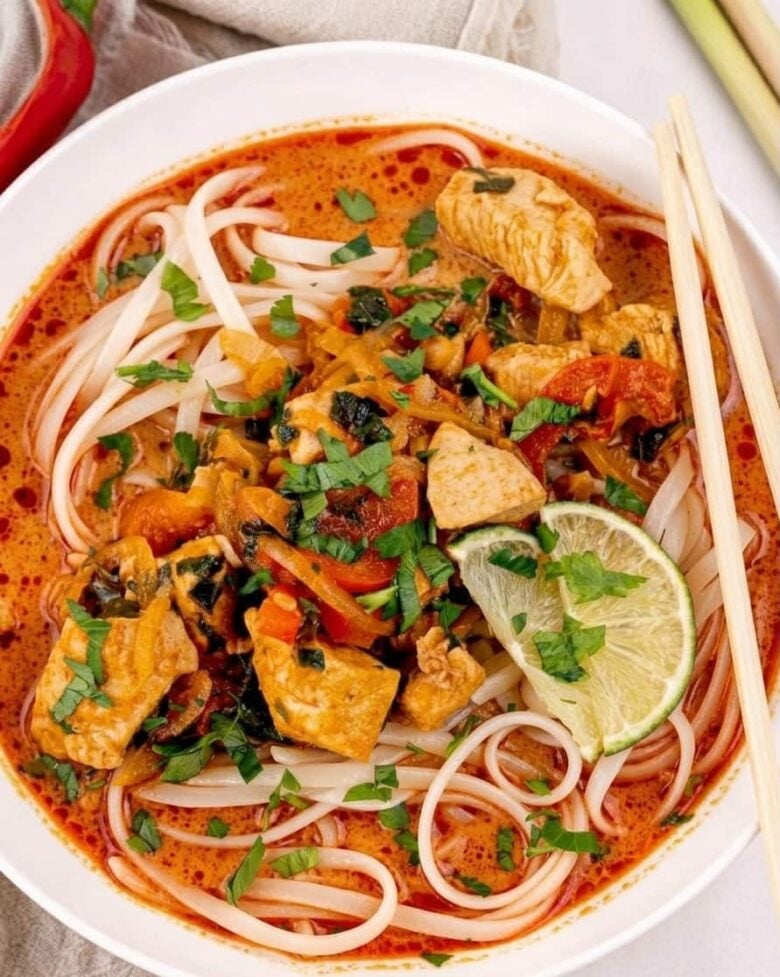
These Thai curry noodles has everything I love about Thai cooking – bright flavors, creamy sauce, and a balance of spice and sweetness. The chicken stays tender, and the noodles soak up all that goodness.
In This Article
This post may contain affiliate links, at no additional cost to you.
Amy’s Notes

These Thai Curry Noodles are one of my favorite easy Asian recipes when I want something cozy, flavorful, and full of color. Here’s why I always make them:
- Balanced Flavor: The sauce hits spicy, sweet, salty, and tangy all at once, similar to these Thai Peanut Noodles.
- Creamy Coconut Broth: Coconut milk creates a rich, silky base that coats the noodles without feeling heavy.
- Tender Chicken: The chicken simmers in the curry sauce until juicy and full of flavor, making it hearty but still light.
- Fresh Herbs and Lime: Thai basil, cilantro, and a squeeze of lime add a bright finish, just like this Coconut Curry Chicken Noodle Soup.
- Easy to Customize: I can swap in shrimp, tofu, or extra vegetables, and it always turns out delicious.
Key Recipe Ingredients
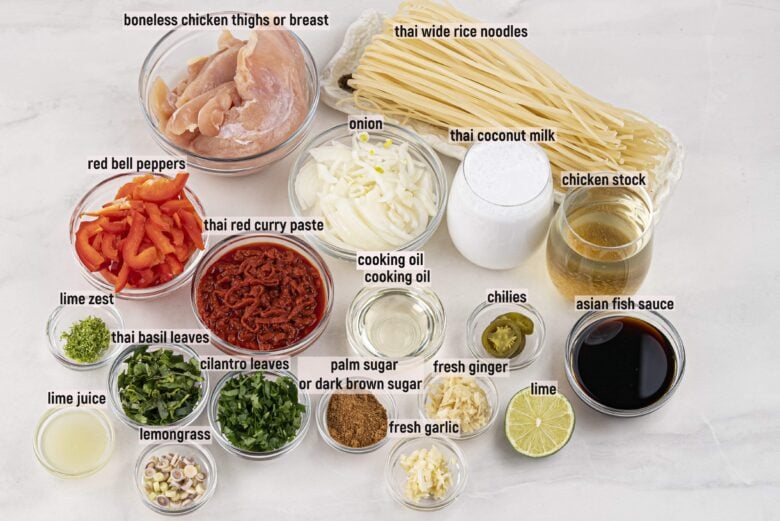
- Fresh Ginger – Adds warmth and a subtle spice that balances the richness of the coconut milk.
- Lemongrass – Brings a bright, citrusy note to the sauce. If you can’t find fresh lemongrass, use 2 teaspoons of lemon zest instead.
- Thai Red Curry Paste – The main flavor driver of the dish, giving it color, spice, and depth. You can swap for green curry paste if you prefer.
- Unsweetened Thai Coconut Milk – Creates a creamy, silky sauce that ties all the flavors together. Shake the cans before opening for the best texture.
- Chicken Stock – Adds body and savory flavor to the curry broth. Use regular or low-sodium based on your taste.
- Asian Fish Sauce – Provides that essential salty, umami flavor found in Thai cooking. If you’re new to it, start with a little less and adjust to taste.
- Palm Sugar or Dark Brown Sugar – Balances the spice and saltiness with a hint of sweetness.
- Fresh Lime Juice – Brightens the sauce and adds a fresh tang at the end.
- Boneless Chicken Thighs or Breasts – Cut into bite-size pieces so they cook quickly and soak up the curry flavor.
- Lime Zest – Adds extra citrus aroma and freshness to the finished dish.
- Fresh Thai Basil Leaves – Add a fragrant, slightly peppery finish. Regular basil works if Thai basil isn’t available.
- Thai Wide Rice Noodles – The chewy base that soaks up all the curry sauce. They’re naturally gluten-free and easy to cook.
- Garnishes (Lime Wedges, Extra Basil, or Cilantro) – Add freshness and color right before serving.
Substitutions And Variations
Here are some of our favorite substitutions and variations:
- Protein Options: I usually make this with chicken, but shrimp, tofu, or thinly sliced beef work just as well. You can even use leftover rotisserie chicken for a quicker meal.
- Curry Choices: I love using red curry paste for its warmth and color, but green curry gives a fresher, slightly spicier flavor. Yellow curry is a milder option if you prefer something softer.
- Veggie Add-Ins: Try adding broccoli florets, bamboo shoots, or snap peas for more crunch. Mushrooms or baby spinach also blend nicely into the curry sauce.
Step-By-Step Recipe Instructions
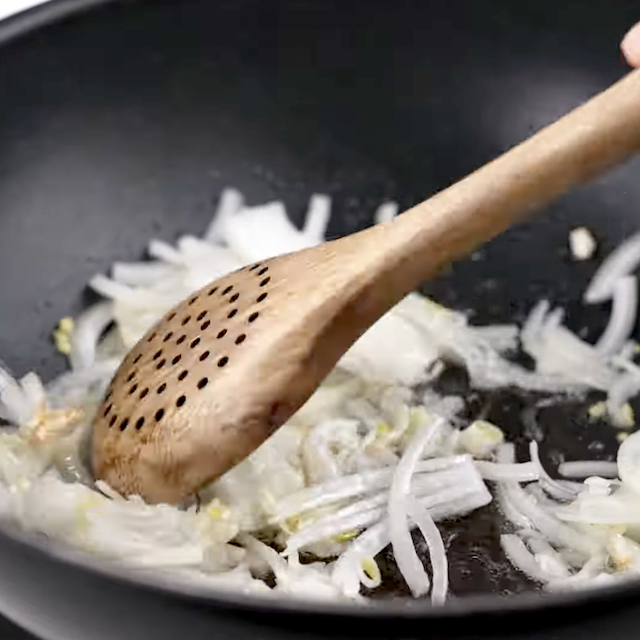
- Sauté onion and garlic in oil.
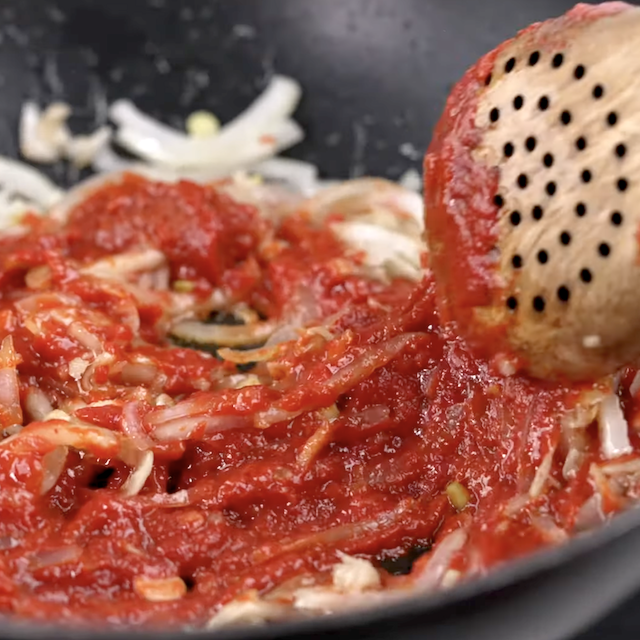
- Add ginger, lemongrass, curry paste, and chilies; cook briefly.
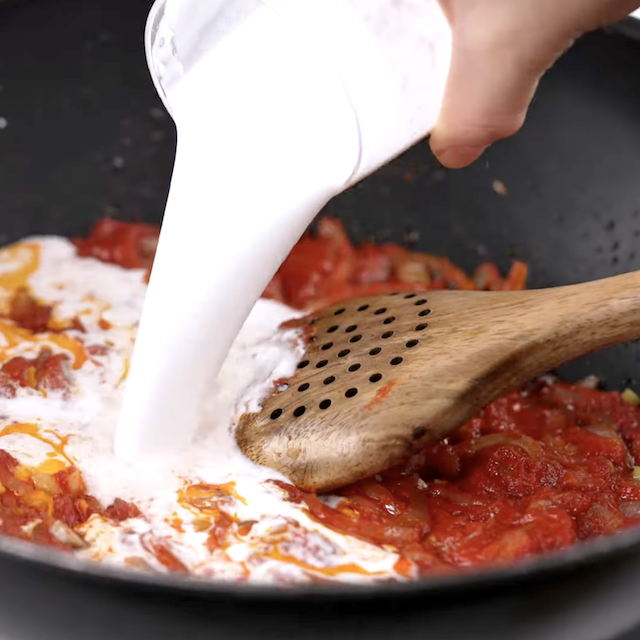
- Stir in coconut milk and chicken stock.
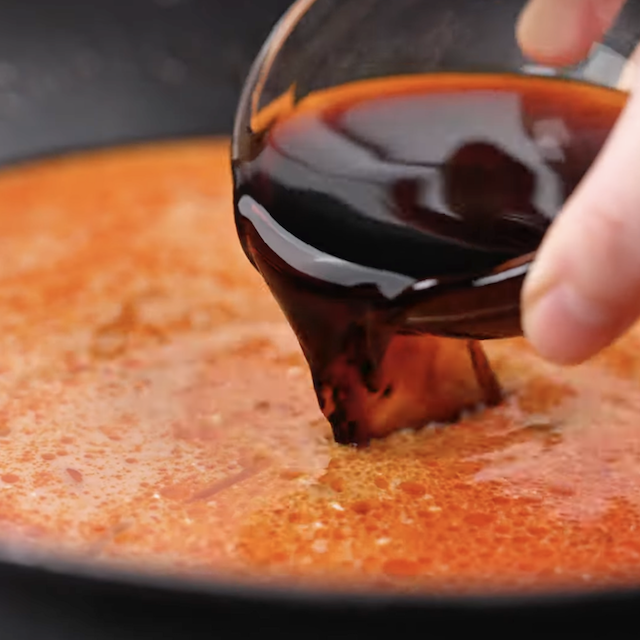
- Add fish sauce, sugar, and lime juice; mix well.
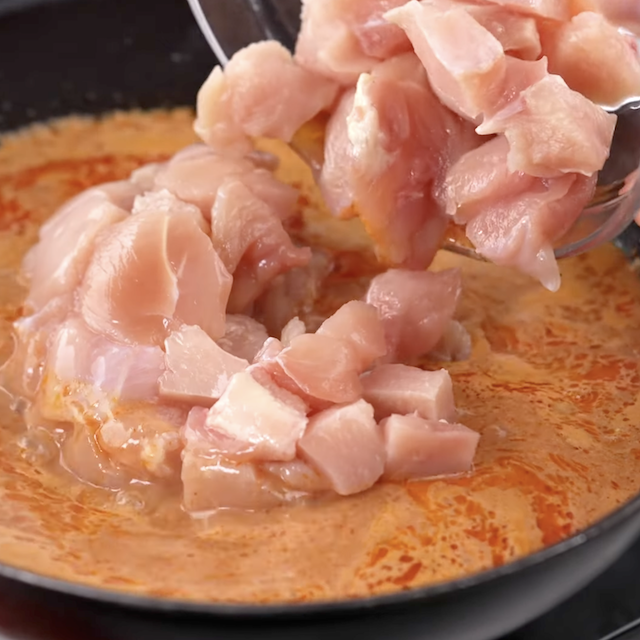
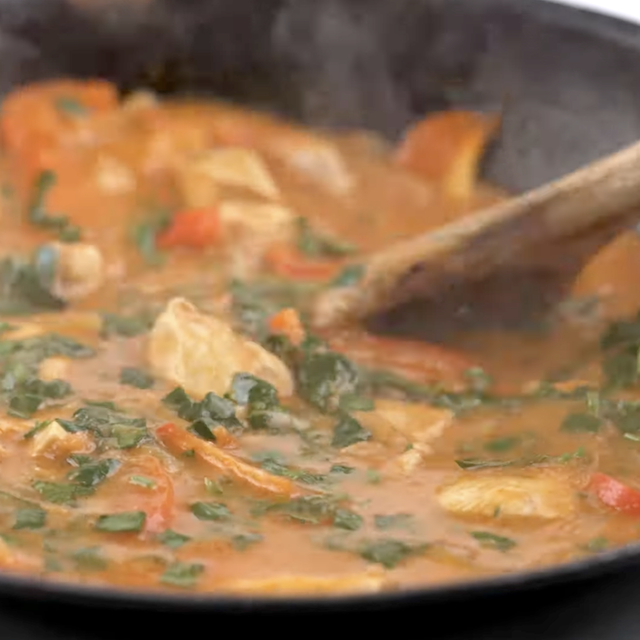
- Add chicken, bell peppers, lime zest, and cornstarch.
- Simmer until chicken is cooked and sauce thickens.
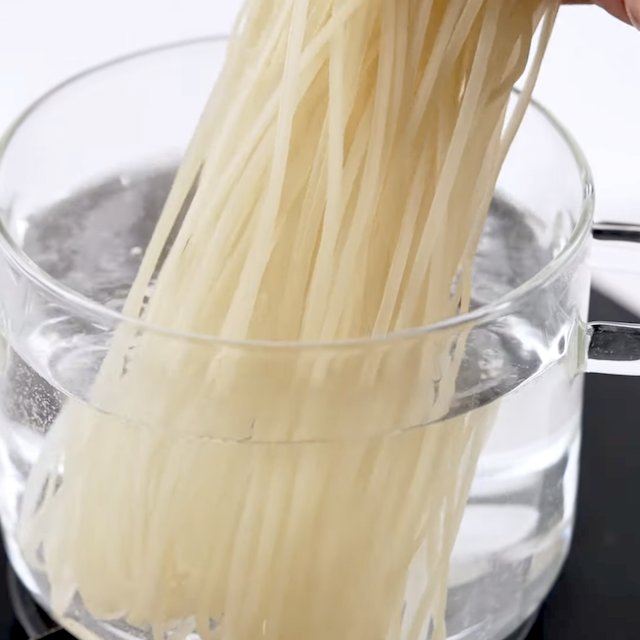
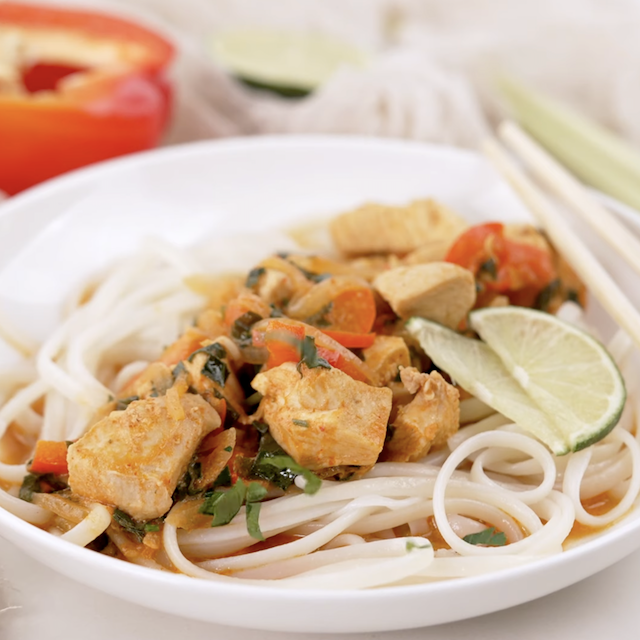
- Boil noodles according to package directions.
- Serve noodles topped with curry.
For full list of ingredients and instructions, see recipe card below.
How To Prep Ahead
Take a look at our best prep-ahead strategies for this recipe:
- Prepare the Curry Sauce in Advance: You can make the curry sauce a day or two ahead. Cook it completely, let it cool, and store it in an airtight container in the fridge. When ready to serve, gently reheat it on the stovetop while you cook fresh noodles.
- Chop and Prep Ingredients Early: Slice the onions, bell peppers, and lemongrass, and mince the garlic and ginger up to a day ahead. Keep everything in sealed containers in the fridge so dinner comes together quickly.
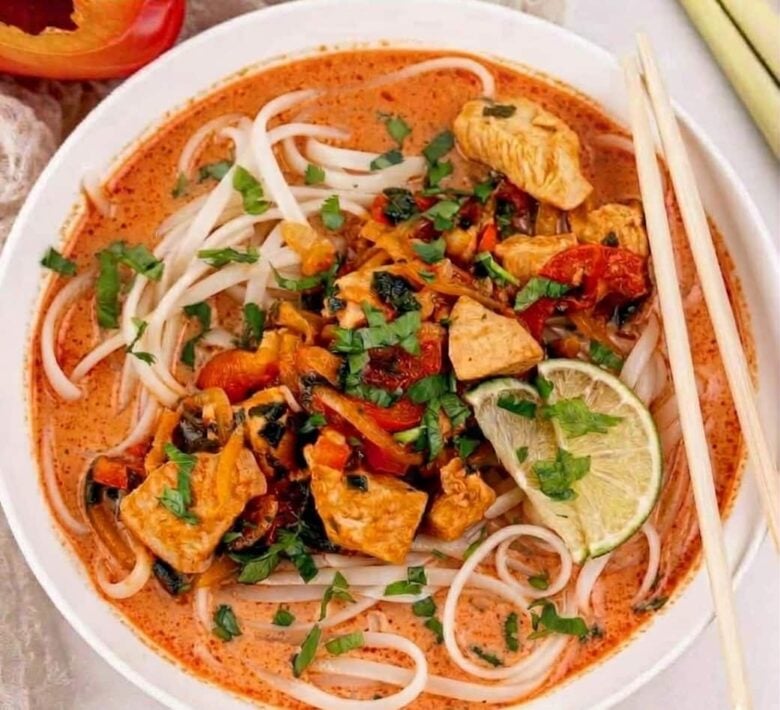
Video: Watch Us Make This Recipe
Thai Curry Noodles
Ingredients
- 4 tablespoons cooking oil
- 1 onion, peeled and sliced into thin strips
- 6 cloves garlic, minced
- 1 tablespoon freshly grated ginger
- 3 stalks lemongrass, thinly sliced, inner white parts only. See Notes.
- 8 tablespoons Thai red curry paste
- 28 ounces unsweetened Thai coconut milk, from 2 cans, shaken well before opening
- 2 cups chicken stock, regular
- 6 tablespoons Asian fish sauce, see notes
- 2 tablespoons palm sugar, or dark brown sugar, tightly packed
- 2 tablespoons lime juice, freshly squeezed
- 3 pounds boneless chicken thighs, or breast, cut into bite size pieces
- 1 lime, large, zested
- 2 red bell peppers, seeded and thinly sliced
- 1 teaspoon corn starch , fully dissolved in 1 tablespoon water
- ¼ cup Thai basil leaves, fresh, shredded
- ¼ cup cilantro leaves, fresh, chopped
- 1 pound Thai wide rice noodles, dry
- 1-2 chilies, seeded and sliced, optional if you like heat
- lime wedges, for garnishing, or extra basil or cilantro
Instructions
- In a deep large pan or pot, add the cooking oil over medium high heat. Once hot, add garlic and onion, stirring until soft, 2-3 minutes. Add ginger, lemongrass, curry paste, and optional chilies. Stir fry 30 seconds.
- Add coconut milk and chicken stock. Add fish sauce, palm sugar (or brown sugar), and lime juice. Stir to combine; the flavor should be a nice balance of tangy, sweet, spicy, and salty.
- If needed, season with additional sugar, fish sauce, or lime to adjust the balance of flavors.
- Add chicken, lime zest, and red bell peppers, and dissolved cornstarch, stirring constantly until sauce is slightly thickened. If using them, add chilies. Bring liquid to a boil. Immediately reduce to medium-low for a low boil. Simmer 10 minutes uncovered, stirring occasionally.
- Once chicken is cooked through, turn heat off. Add basil and cilantro, stirring to combine. Cover to keep warm.
- Meanwhile, cook rice noodles according to package instructions. Rinse well with warm water and drain. Divide into individual bowls. Ladle on the warm curry sauce, garnish as desired, and serve immediately.
Notes
- If you can’t find lemongrass, you can substitute with 2 teaspoons fresh lemon zest.
- Fish sauce is popular and essential in many Thai dishes. If you’re not used to fish sauce, you can use 4-5 tablespoons instead.
- Cornstarch must be fully dissolved before using; make sure there are no white streaks/bits at all, or it will clump. If you’d like a thicker sauce at the end, you can add one more teaspoon of dissolved cornstarch to finished sauce, bring to a boil, and constantly stir for 1 minute.
- You can use Thai green curry instead of red curry – both are delicious!
- Sauce can be made a day ahead of time and stored airtight in fridge. When ready to serve, gently reheat sauce on stovetop as you cook noodles.
- Feel free to add other vegetables, such as broccoli florets or bamboo shoots.
- Leftover noodles and curry sauce should be stored separately in airtight containers. Toss leftover noodles with oil (I use olive oil) to prevent sticking. Leftovers keep well in the fridge for up to 3 days.
- This recipe is part of our Thai Recipes Collection.
- We love serving it alongside other Thai classics such as our Thai Basil Chicken and Thai Chicken Coconut Curry.
Nutrition (per serving)
What To Serve with Thai Curry Noodles
Other Thai Favorites
- We love serving this Thai Curry Noodles with other Thai classics such as our Thai Basil Chicken and Thai Chicken Coconut Curry.
- It’s also delicious when served as a Thai spread with our Easy Pad Thai recipe and Thai Fried Rice.
Salads
- These Thai Curry Noodles pair perfectly with something crisp and refreshing on the side. We love serving them with Crunchy Thai Salad for a bright, fresh contrast.
- If you’re planning a full meal, try adding Asian Pasta Salad with Sesame Ginger Dressing or Crunchy Asian Cabbage Ramen Salad for extra crunch and flavor.
- A chilled Asian Rice Salad also works beautifully when you want something light and hearty.
Frequently Asked Questions
Absolutely. Replace the chicken with tofu or chickpeas, use vegetable stock instead of chicken stock, and substitute soy sauce or tamari for the fish sauce. The result is still creamy, flavorful, and satisfying.
If you’d like a thicker sauce, add an extra teaspoon of dissolved cornstarch near the end of cooking. Bring the sauce to a gentle boil while stirring constantly for about a minute until it thickens.
Definitely. Broccoli florets, bamboo shoots, snap peas, or mushrooms all blend nicely into the curry. Add them along with the bell peppers so they cook just until tender.
It’s mildly spicy with a gentle kick from the red curry paste. For more heat, add sliced chilies or extra curry paste; for less, use a smaller amount of paste and skip the chilies.
Store leftover curry sauce and noodles separately in airtight containers in the fridge for up to 3 days. Toss noodles with a little oil to prevent sticking, and reheat the sauce gently on the stove or in the microwave before combining.
More to Cook and Eat
- Pad See Ew (Thai Noodles) – Restaurant style Thai Stir Fry Noodles (Pad See Ew) is easy to make at home. This homemade version is healthier and 200% delicious.
- Red Thai Curry Mussels – Red Thai Curry Mussels – big on flavor, yet light and healthy. This is the ideal appetizer for seafood fans. Bonus: this succulent dish is super easy.
- Chicken Curry Salad – I create this Chicken Curry Salad for a delicious twist on chicken salad, with bigger and bolder flavor. This one is savory, slightly sweet, super easy, and completely delicious.
- Grilled Shrimp Kabobs (Skewers) – This Spicy Thai Grilled Shrimp is succulent, tender, and mouthwatering. It takes only 10 minutes; great for weeknight dinner and weekend parties.